Citadel
Nathan's first teak range, sold as Scandinavian design. Retrowow describes its sideboard as long and low, about six feet, with plain recessed handles.[3][4]
Nathan is a British furniture maker founded by Barnett Nathan in east London in 1916. It is best known for teak dining furniture of the 1960s and 1970s, such as its Citadel range and the Circles and Squares sideboards.
Barnett Nathan, a Russian-born furniture maker, opens a workshop on Hackney Road in east London.[2][3][6]
During the First World War the firm also makes munitions boxes for the government.[2][3]
Trading as B & I Nathan, the firm moves from Hackney to Edmonton in north London.[1][2][6]
Nathan launches Citadel, its first teak range, advertised as Scandinavian design.[3][4]
New teak designs, including the sideboard with circles cut into its door veneers, take the firm further upmarket.[3][4][8]
The company marks a hundred years of making furniture, by then working from Frostholme Mill on the Yorkshire and Lancashire border.[5][6]
Nothing by Nathan is in the studio right now. Tell Kate what you need and she will look for one.
Nathan concentrated on dining and living-room case furniture: sideboards, dining tables and chairs, coffee tables and nests of tables. Retrowow describes 1950s Nathan dining suites in tola, an African mahogany, with black ebonised legs and brass handles.
From 1963 Nathan worked mainly in teak, in a Scandinavian-influenced style, and teak remained its main wood through the 1970s. Sideboards typically combine cupboards, a bank of drawers and sometimes a drop-down drinks compartment, on tapered or framed legs. By the late 1960s the firm had moved upmarket with designs of its own, and in the mid-1970s, according to Retrowow, it turned to a more traditional look.[3][4][9][10]
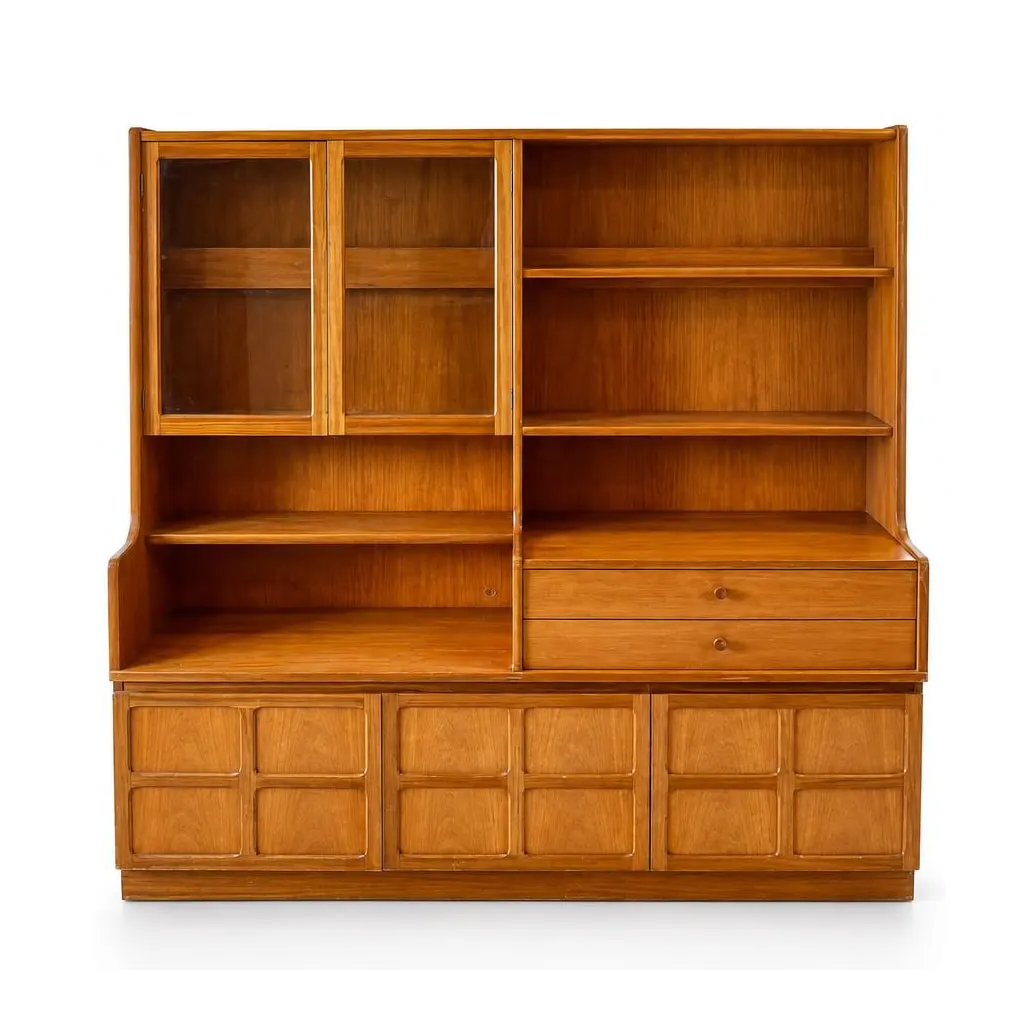
Nathan's first teak range, sold as Scandinavian design. Retrowow describes its sideboard as long and low, about six feet, with plain recessed handles.[3][4]
A teak dining range whose sideboard has rosewood handles, a drop-down drinks cabinet, drawers and cupboards on tapered legs. Retrowow names it as the top of Nathan's 1960s dining suites, alongside the Corsican and Cortina ranges.[4][9]
A teak sideboard with a pattern of circles cut into the veneer of its doors, about 183 cm long, with cupboards and drawers. Dealers credit the design to Patrick Lee; Mr Bigglesworthy places it in his 1970 Classic Collection for Nathan.[3][4][7][8]
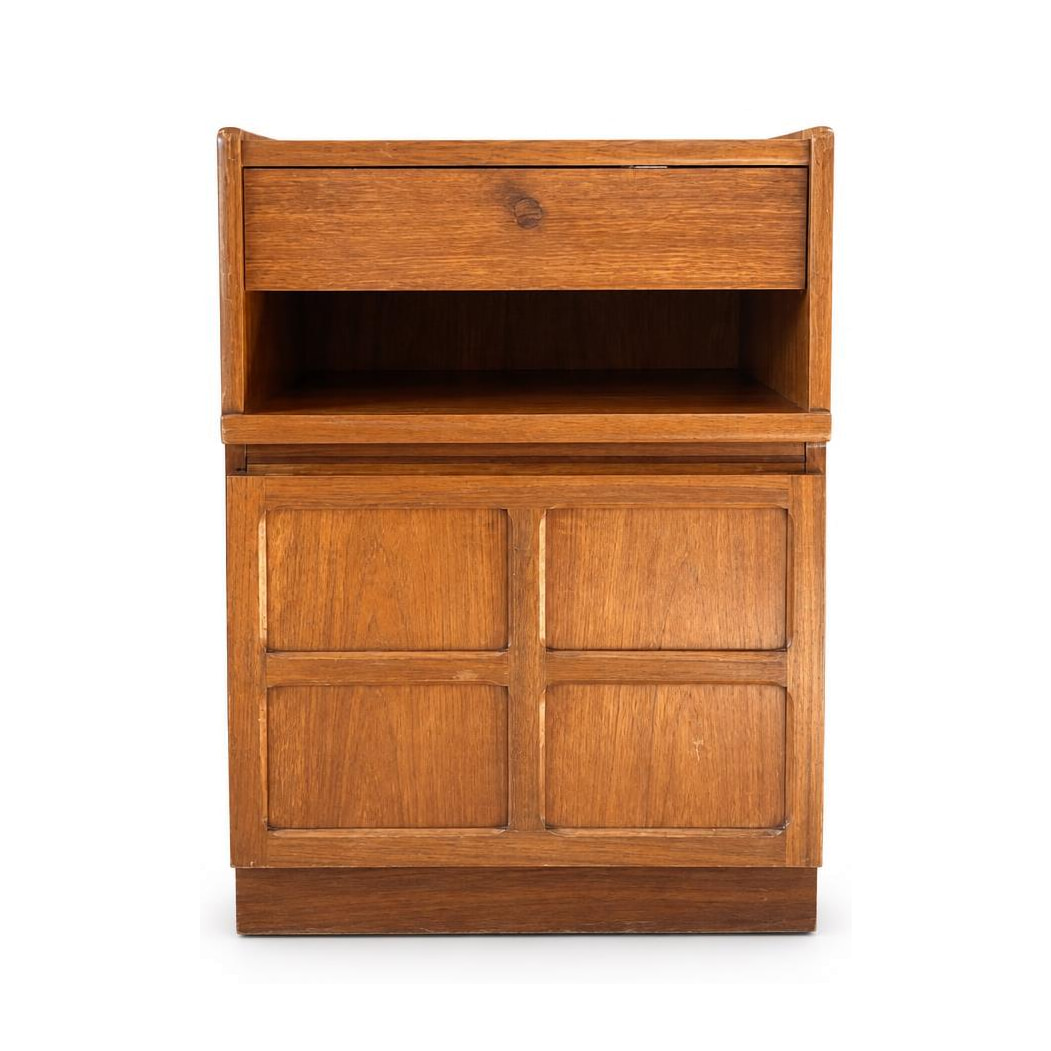
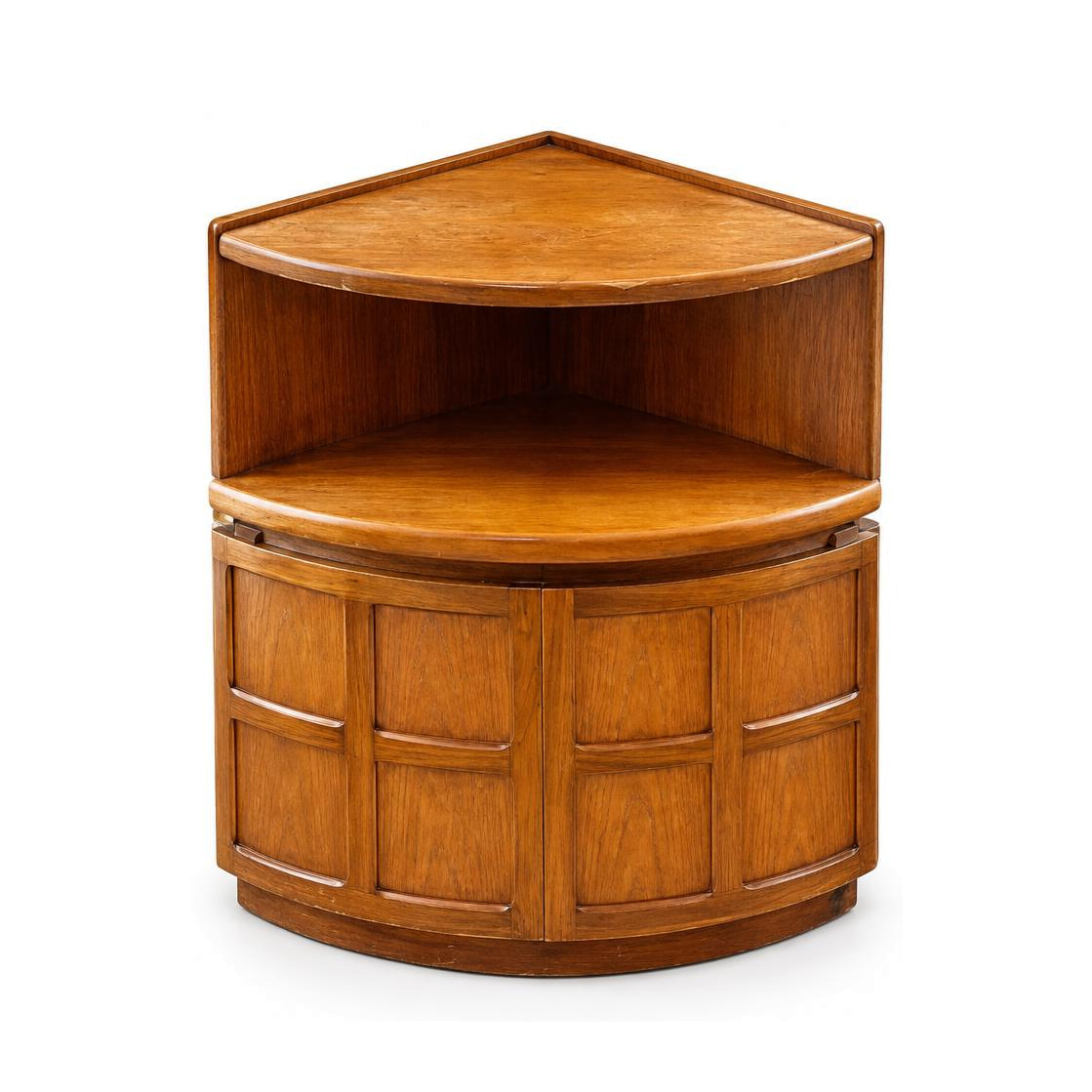
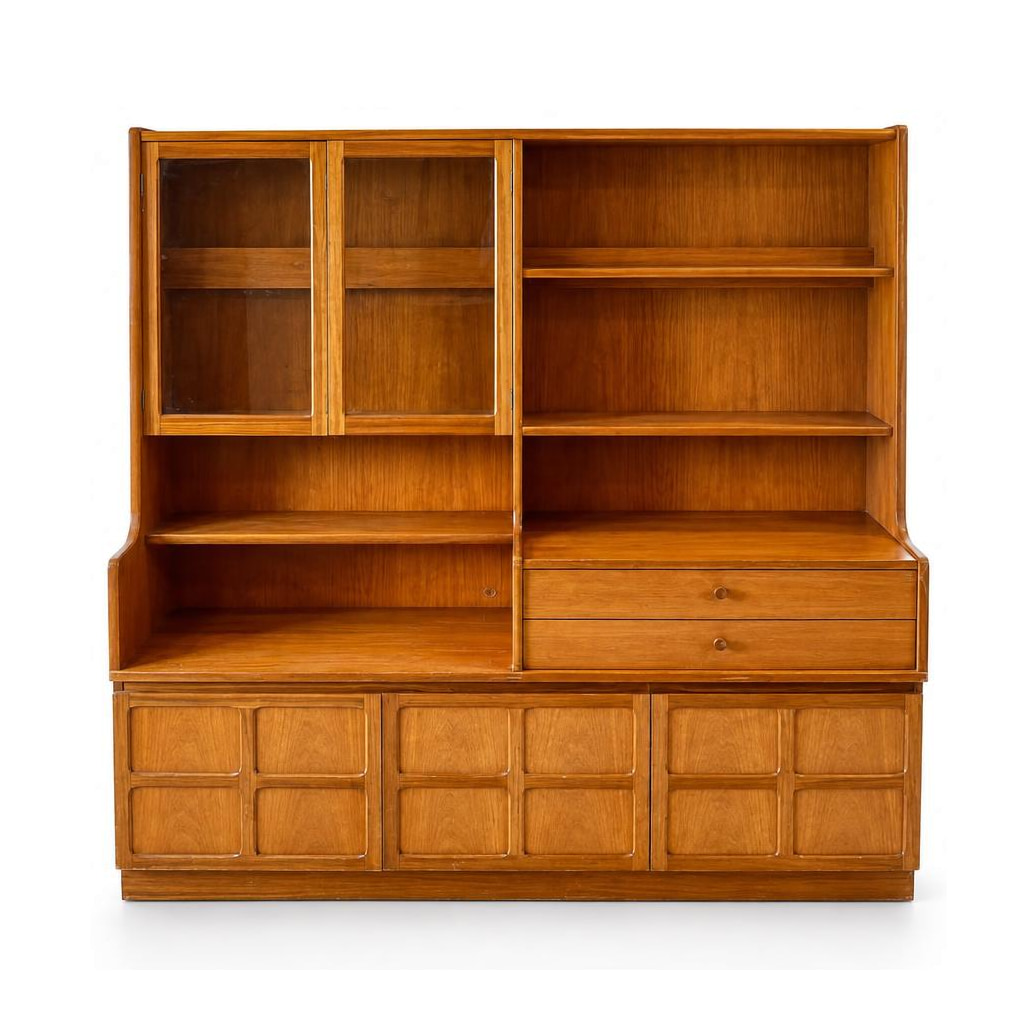
Teak sideboards and cabinets whose doors carry a pattern of squares, with carved wooden knobs and legs joined by stretchers. Dealers date it to the 1960s.[4][10]
$290 to $1,250
Nathan began in 1916, when Barnett Nathan, a Russian-born furniture maker, set up a workshop on Hackney Road in east London. During the First World War the firm also made munitions boxes for the government. Trading as B & I Nathan, it moved from Hackney to Edmonton, north London, in 1930. Nathan came to teak in 1963 with Citadel, its first teak range, which it advertised as Scandinavian design. Around 1970 the firm moved further upmarket, with designs such as a teak sideboard whose door veneers were cut in a pattern of circles. Production later moved to the north of England. In 2016, by then based at Frostholme Mill on the Yorkshire and Lancashire border, the company marked a hundred years of making furniture.[1]–[6][11]
Yes. The company celebrated its centenary in 2016 and works from Frostholme Mill on the Yorkshire and Lancashire border, making both retro-style and contemporary furniture.[5][6]
Nathan's first teak range, Citadel, came out in 1963, and teak stayed its main wood through the 1970s. Before that it worked in woods such as tola, an African mahogany.[3][4]
Look for a Nathan paper label inside a drawer. Labels are often missing, so compare the door pattern, handles and legs with known Nathan models such as Circles, Squares and Corinthian.[6][9][11]
Looking for a piece by Nathan? Tell Kate what you need, with the size and budget you have in mind, and she will look for one. Or write to hello@formanashville.com.
New pieces go out first in the weekly letter.
One email a week, on Thursday. What arrived, what sold and for how much, and a line or two on what we are working on.